Climate Change and the Importance of Microbial Inputs in Agriculture

The Challenge of Climate Change in Farming
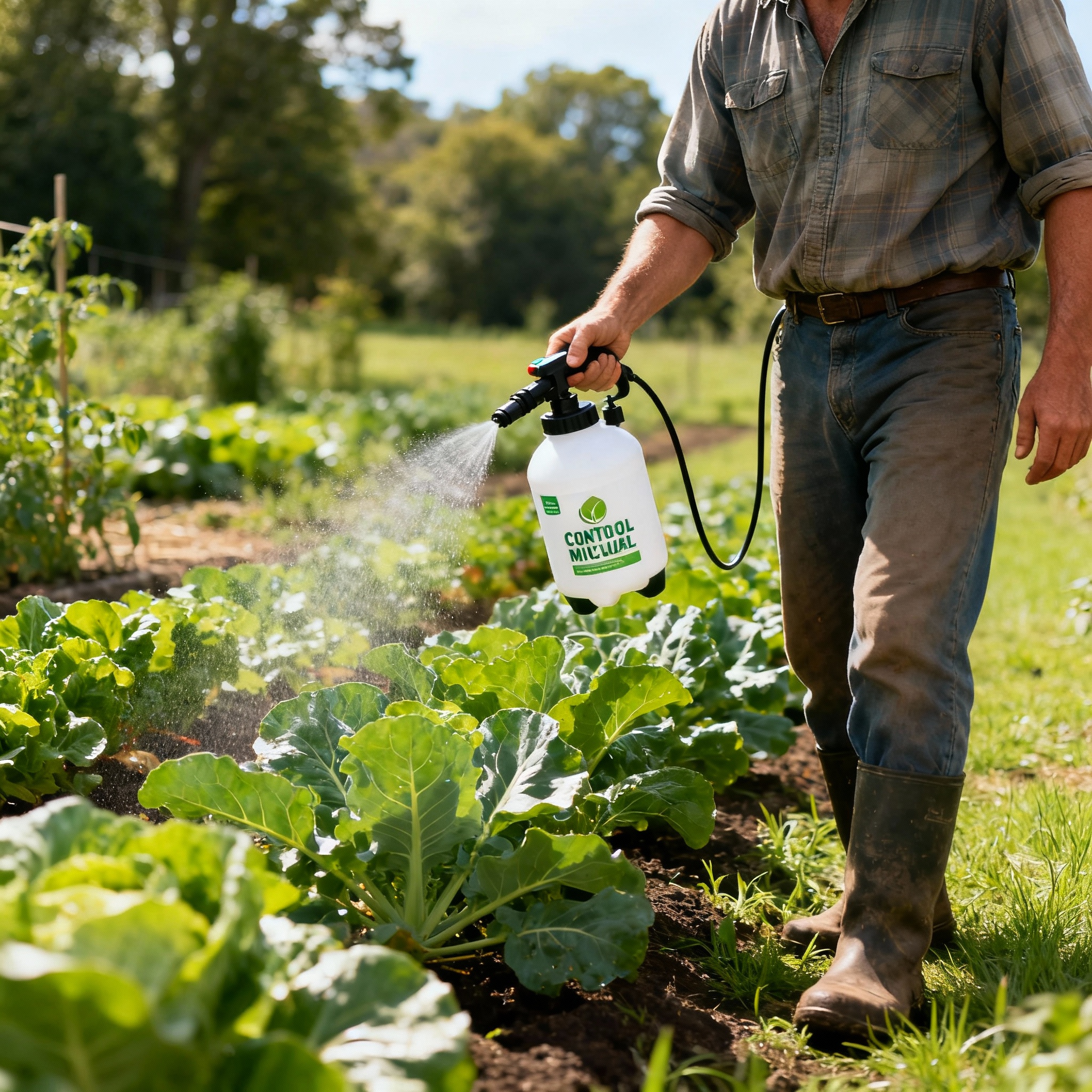
Climate change disrupts traditional farming through irregular rainfall, droughts, heat stress, and increased pest pressures, threatening crop yields and soil health globally. This makes adaptation and mitigation essential for food security.
How Microbial Inputs Help Mitigate Climate Change
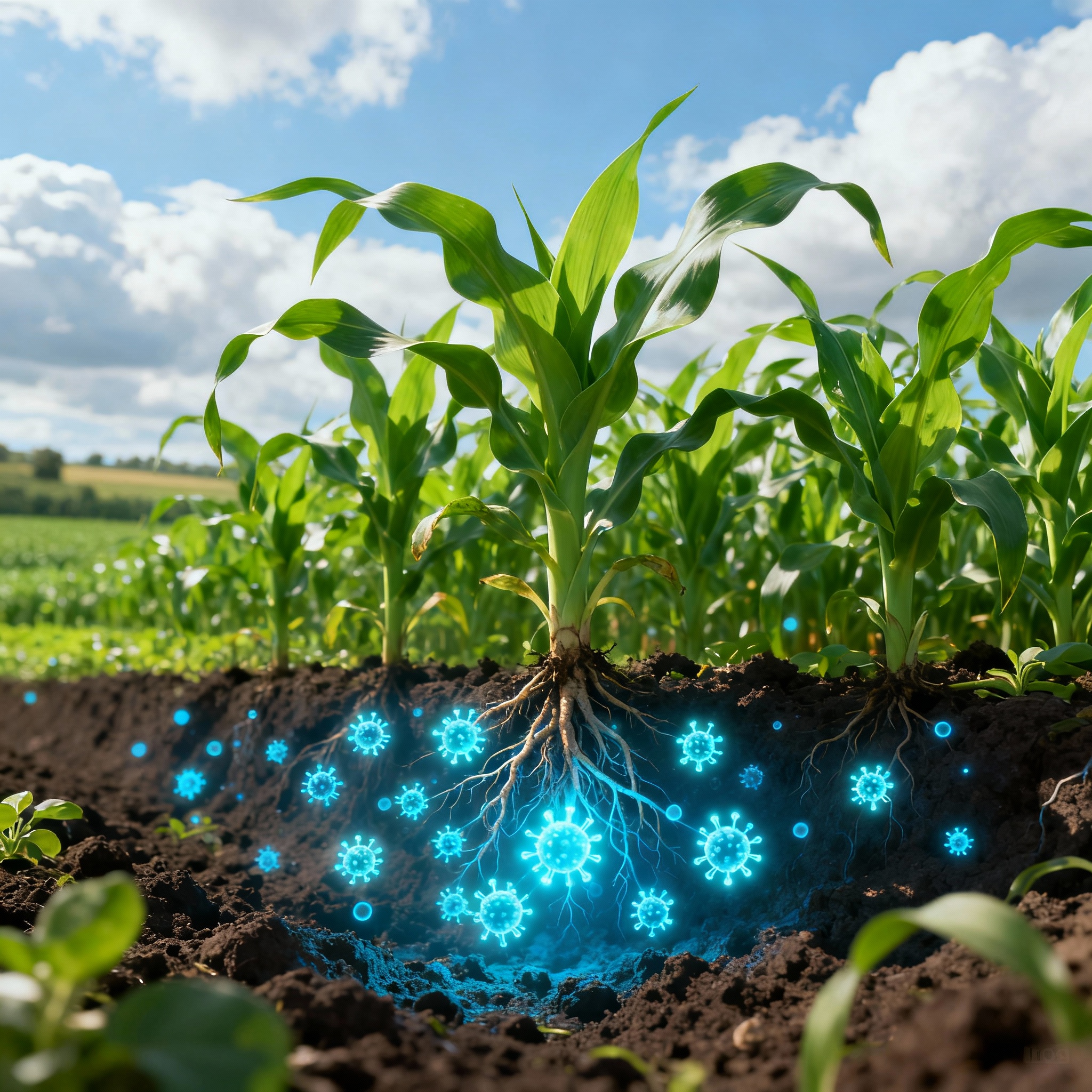
Microbial biofertilizers and biopesticides improve soil organic carbon sequestration and reduce reliance on synthetic fertilizers, which are major contributors to greenhouse gas emissions. They optimize nutrient cycling and soil moisture retention, helping plants survive environmental stresses.
Enhancing Crop Resilience Through Microbes
K-FERTS LAB specializes in microbial formulations that increase root biomass, stimulate growth hormones, and promote soil microbial activity, enabling crops to withstand drought and temperature extremes. Beneficial microbes also suppress soilborne pathogens that thrive during climatic stress.
Environmental and Economic Benefits
Using microbial inputs lowers the carbon footprint of agriculture, mitigates soil degradation, and improves nutrient use efficiency. This reduces input costs for farmers and promotes sustainable, climate-resilient farming that supports ecosystem health.