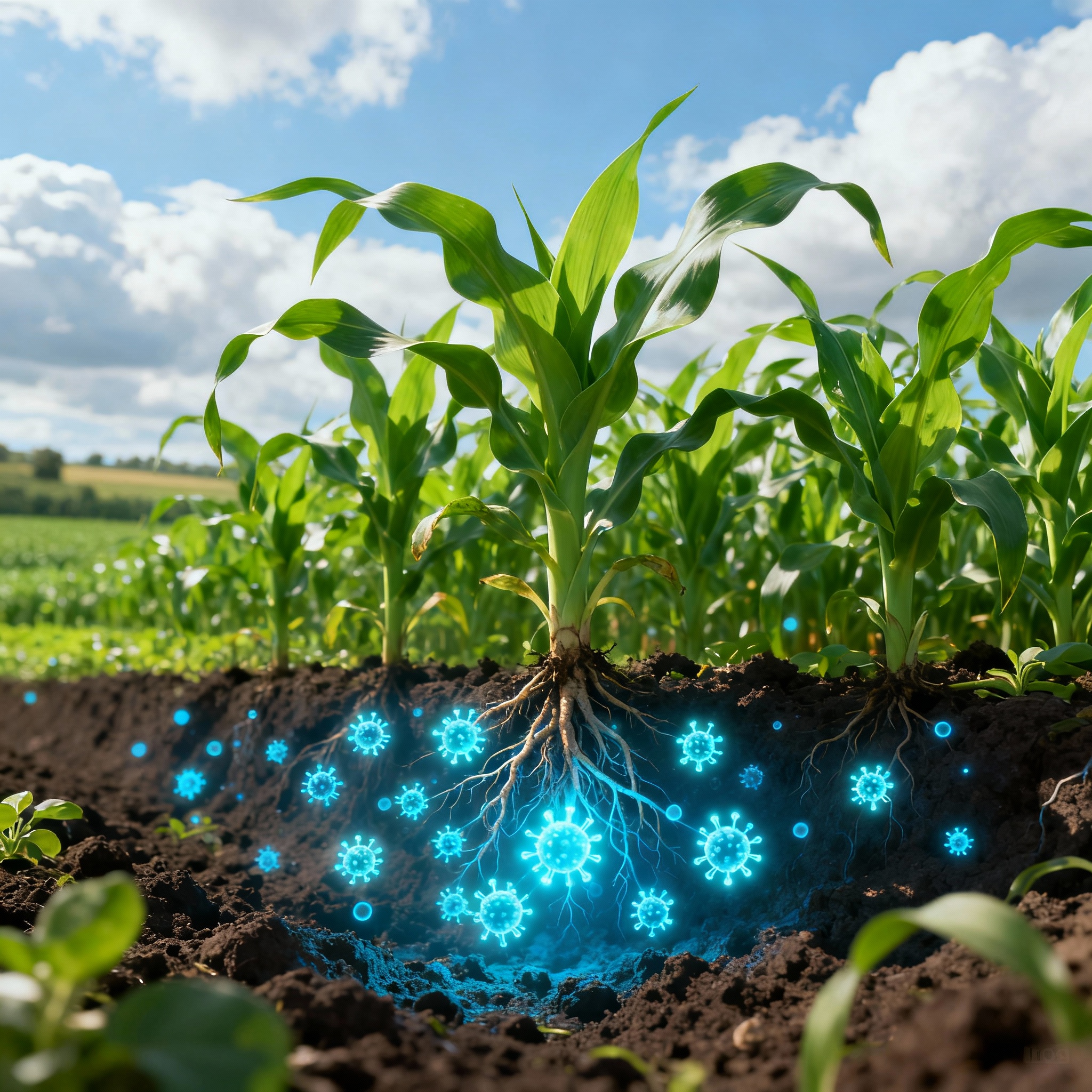
The Role of Microbial Biofertilizers in Enhancing Soil Fertility

Understanding Microbial Biofertilizers
Microbial biofertilizers are formulations containing beneficial microorganisms such as nitrogen-fixing bacteria, phosphate-solubilizing bacteria, and mycorrhizal fungi. These microorganisms enhance plant nutrient availability by fixing atmospheric nitrogen, solubilizing phosphorus, and mobilizing other essential minerals. Their symbiotic relationships with plant roots improve nutrient uptake, promote healthy root development, and increase overall soil fertility.
Benefits Over Chemical Fertilizers
Unlike synthetic fertilizers that can degrade soil health over time, microbial biofertilizers improve soil structure by increasing organic matter and supporting soil microbial diversity. They help retain moisture, reduce soil erosion, and increase nutrient-use efficiency, leading to healthier plants and sustainable productivity.
Role of Specific Microbial Groups
Microalgae and cyanobacteria play important roles by fixing nitrogen and releasing plant growth regulators that stimulate seed germination and root growth. Phosphate-solubilizing bacteria convert bound phosphates into accessible forms, while mycorrhizal fungi expand the root surface area for better water and nutrient absorption.
Practical Applications for Farmers
K-FERTS LAB offers advanced microbial biofertilizer formulations that are easy to apply through seed treatment, soil inoculation, and foliar sprays. These products help farmers reduce chemical inputs, lower costs, and improve crop yield and quality naturally. Scientific studies show that microbial biofertilizers can increase soil nitrogen content by up to 50%, improve phosphorus availability, and enhance crop yields significantly.
Long-Term Soil Health and Sustainability
The use of microbial biofertilizers helps restore degraded soils by rebuilding the microbial ecosystem critical for nutrient cycling and soil fertility. This ensures long-term sustainable agriculture that supports environmental health and food security.